
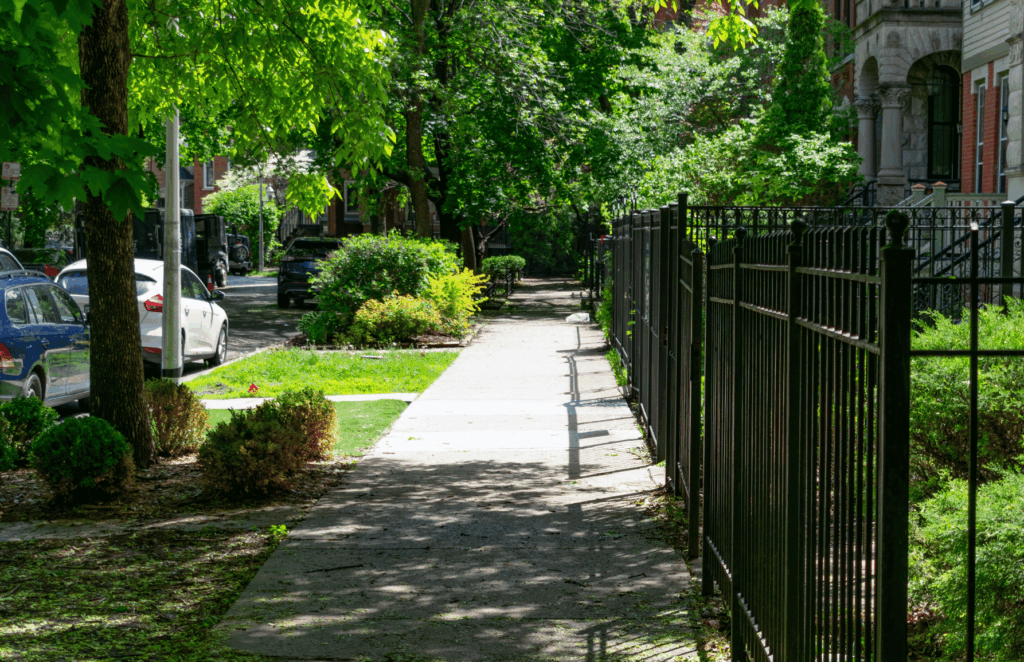
Iron fencing is valued for its strength, durability, and classic look – but how long does it really last? With proper installation and maintenance, iron fencing can secure your property and enhance its appearance for decades. Knowing the factors that impact its lifespan can help you make a smart, long-term investment.
Average Lifespan of Iron Fencing
A well-installed iron fence can last 40 to 70 years, sometimes even longer. Modern iron fencing often includes protective coatings that reduce rust and wear, helping it withstand daily use and harsh weather. However, the exact lifespan depends on material quality, installation, climate, and how well it’s maintained.
What Affects the Longevity of Iron Fencing?
Quality of Materials
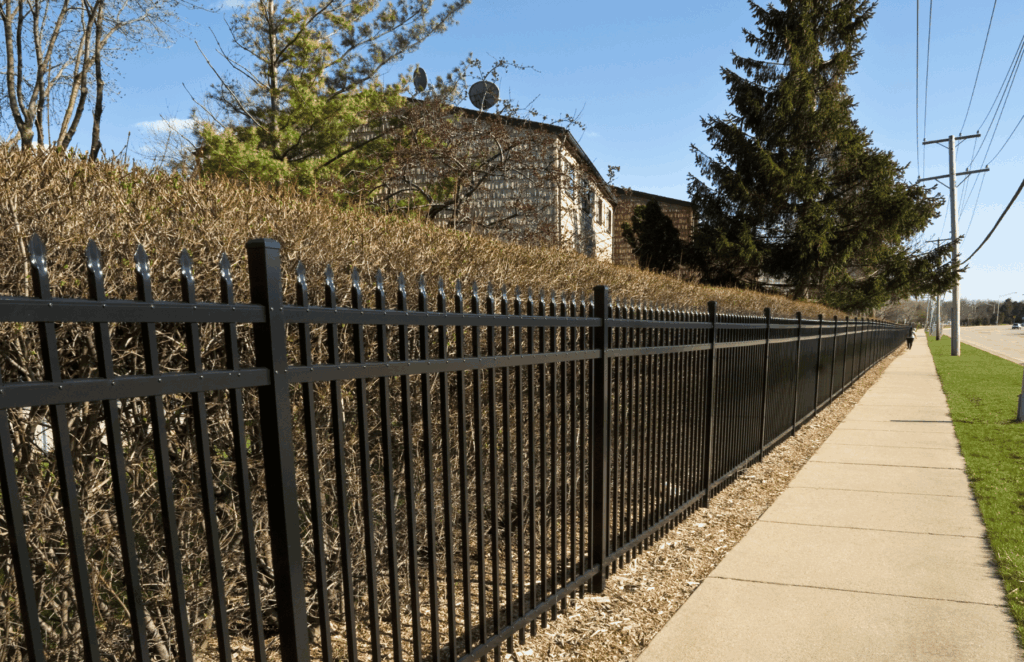
High-quality iron fencing with proper galvanization or powder coating resists corrosion far better than untreated materials. These protective finishes act as a barrier against moisture and oxygen—two of the main causes of rust.
Professional Installation
Proper installation is critical. Secure posts, correct spacing, and solid anchoring help prevent shifting, sagging, and structural stress over time. A professionally installed iron fence will age far better than one installed incorrectly.
Weather and Environment
Iron fencing holds up well in most climates, but exposure to moisture, road salt, or coastal air can accelerate wear if not properly protected. In regions with freeze-thaw cycles, strong foundations and coatings are especially important.
Maintenance Habits
Iron fencing is low-maintenance, but not maintenance-free. Occasional cleaning, inspections, and touch-ups go a long way in extending its lifespan.
What to Expect Over Time
Early Years (0–10 Years)
During the first decade, iron fencing typically requires minimal attention. Protective coatings remain intact, and the fence maintains its original appearance and strength.
Mid-Life (10–30 Years)
Over time, minor wear may appear—such as small chips in the finish or surface-level rust in isolated areas. Addressing these early with touch-up paint or rust treatment prevents larger issues.
Long-Term (30+ Years)
With consistent upkeep, iron fencing remains structurally sound even after decades. At this stage, some sections may benefit from refinishing or selective repairs, but full replacement is rarely necessary.
How to Extend the Life of Your Iron Fence
- Inspect the fence annually for chips, rust, or loose components
- Clean dirt and debris to prevent moisture buildup
- Touch up damaged areas promptly
- Ensure proper drainage around fence posts
- Address repairs early to avoid structural damage
Simple maintenance can add years—if not decades—to your fence’s lifespan.
Is Iron Fencing Worth the Investment?
While iron fencing often has a higher upfront cost compared to other fencing options, its longevity, strength, and classic appearance make it a smart long-term investment. When properly installed and cared for, iron fencing offers exceptional value by reducing the need for frequent repairs or replacement.
Iron fencing is built to last. With quality materials, professional installation, and basic maintenance, it can protect and enhance your property for generations. If you’re looking for a fencing solution that combines durability, security, and lasting visual appeal, iron fencing is hard to beat. Get a free quote from ChainLink Construction today!